

Alternative Ways to Heat Your Home
With energy bills remaining high and interest in greener living continuing to grow, more UK homeowners are looking at different ways to heat their homes beyond a standard gas boiler. Whether you're motivated by cost, carbon footprint, or want a backup source of warmth for the colder months, there's a wide range of options to consider.
The main alternative ways to heat a home in the UK fall into three categories: low-carbon systems that replace your boiler entirely (air and ground source heat pumps, biomass boilers), systems that work alongside your existing setup (solar thermal, underfloor heating, infrared panels), and traditional, characterful options like wood-burning and multi-fuel stoves. Each comes with its own costs, benefits, and practical considerations.
Here are the alternatives we'll cover in this guide:
- Heat pumps extract heat from outside air or the ground, with grants of up to £7,500 (or £9,000 for rural homes) available
- Biomass boilers burn wood pellets, chips, or logs as a renewable alternative to gas or oil
- Solar thermal panels use the sun to heat water, cutting hot water costs
- Infrared heating panels heat objects and people directly, room by room
- Underfloor heating is an efficient way to distribute heat from a boiler or heat pump
- Wood-burning and multi-fuel stoves are a traditional, high-heat option built around a hearth
- Low-cost and passive measures include insulation, draught-proofing, and thermal mass
We'll go through each in turn, with current costs and grant information, so you can weigh up what might work for your home.
Heat Pumps
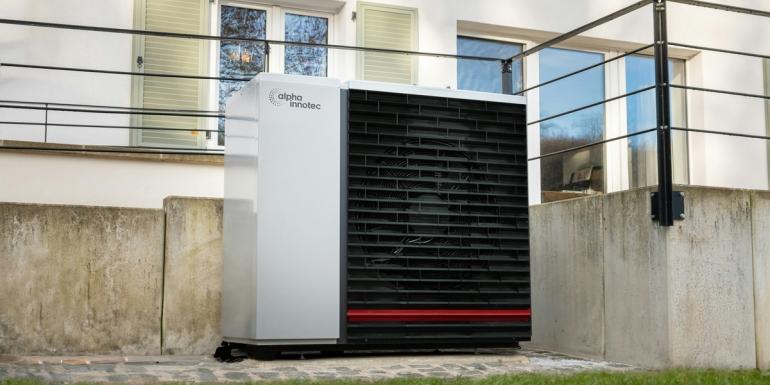
Heat pumps are the most talked-about alternative to a gas boiler, and for good reason. Rather than burning fuel, they extract heat from the outside air or from the ground via buried pipework and use it to heat your home and hot water. According to the Energy Saving Trust, a well-installed heat pump can deliver three to four times more heat than the electricity it consumes, making it far more efficient than even the best gas boiler.
The catch is the cost. A typical air source heat pump installation runs to several thousand pounds, though the UK government's Boiler Upgrade Scheme currently offers a grant of £7,500 towards the cost in England and Wales, rising to £9,000 for homes currently on oil or Liquefied Petroleum Gas (LPG) between July 2026 and March 2027. On a standard electricity tariff, running costs tend to be close to gas, because electricity remains several times more expensive per unit. Switch to a dedicated heat pump tariff, however, and many households do see a saving.
Heat pumps suit well-insulated homes best, and most installers will carry out a heat loss survey before recommending a system size.
Biomass Boilers
A biomass boiler burns organic material, typically wood pellets, chips, or logs, to heat water for your central heating and hot water system, much like a conventional boiler. It's a good option for rural and semi-rural properties with space to store fuel and access to a local wood supply.
The Energy Saving Trust notes that biomass is considered a lower-carbon fuel than gas or oil, since the CO2 released when burning wood is broadly offset by the CO2 absorbed as new trees grow, provided the fuel comes from a sustainably-managed source. Installation costs vary considerably depending on the size of the system and whether it's a manually-loaded log boiler or an automatically-fed pellet system, and the Boiler Upgrade Scheme currently offers a £5,000 grant towards installation. Bear in mind that biomass systems need more hands-on maintenance than a gas boiler, including regular ash removal and flue sweeping.
Solar Thermal Panels
Unlike solar PV panels, which generate electricity, solar thermal panels heat water directly using energy from the sun. The heated water is stored in a hot water cylinder for washing and bathing. A typical system for a three-bedroom home costs around £5,000, and can cover roughly half of a household's hot water needs over the year, with savings naturally higher in summer than winter.
Solar thermal is best thought of as a way to supplement an existing boiler or heat pump rather than a standalone heating solution, since it can't meet a home's full space heating demand. It's currently outside the scope of the Boiler Upgrade Scheme, so there's no direct grant support, though it doesn't affect your eligibility for a heat pump or biomass grant if you install both.

Infrared Heating Panels
Infrared panels emit radiant heat that warms objects, walls, and people directly, similar to the way sunlight feels warm even on a cold day. They're mounted on a wall or ceiling, need no pipework, and are usually installed room by room, rather than as a whole-house system.
This makes infrared a popular choice for extensions, garden offices, or rooms used less often, where heating the whole house isn't practical. They're not included in government grant schemes, and running costs depend heavily on how often and how many panels are used, so they tend to work out most cost-effective as a targeted, zonal solution rather than a full replacement for central heating.
Underfloor Heating
Underfloor heating isn't a heat source in itself, but a way of distributing heat that can make other systems more efficient. Because it works at a lower flow temperature than radiators, it pairs particularly well with heat pumps, helping them run more efficiently. It's also well suited to homes with hard flooring such as natural stone or porcelain, which conduct and retain warmth effectively underfoot.
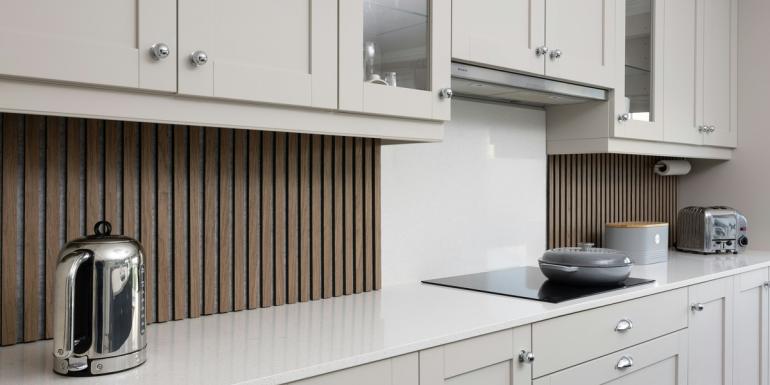
For homeowners renovating a kitchen or living space, it's worth considering underfloor heating alongside any new flooring or worktop project, since retrofitting it later usually means lifting the floor again.
Wood-Burning and Multi-Fuel Stoves
For many homeowners, a wood-burning or multi-fuel stove remains the most appealing alternative heating option. This isn't just for the heat it provides, but for the warmth and character it brings to a room. Modern stoves are considerably more efficient than an open fire, and all new stoves sold in the UK must meet smoke control area rules. If you live in a smoke control area, which covers much of urban England, you'll also need a Defra-exempt appliance to legally burn wood.
Every wood-burning or multi-fuel stove needs a properly constructed hearth beneath and around it. This is a safety requirement: the hearth protects the surrounding floor from heat, sparks, and embers, and building regulations set out minimum dimensions and material standards it must meet. Non-combustible materials such as granite, slate, and other natural stone are the standard choice when it comes to choosing the perfect stone for a fireplace hearth, as they are valued for their durability and ability to absorb and radiate heat safely.
If you're considering a stove as part of your alternative heating plan, it's worth thinking about the hearth at the same time as the stove itself, since the two need to be specified together to meet building regulations and work visually.
Low-Cost and Passive Ways to Heat Your Home
Not every alternative to gas central heating involves a new appliance. Some of the most cost-effective ways to keep a home warm involve reducing how much heat you lose in the first place:
- Insulation: loft and cavity wall insulation remain some of the most effective ways to cut heat loss and reduce reliance on any heating system
- Draught-proofing: sealing gaps around doors, windows, and floorboards is inexpensive and can make a noticeable difference
- Thermal mass: materials like stone and brick absorb heat during the day and release it slowly, which is part of why a stone hearth continues to radiate warmth long after a fire has died down
- Curtains and rugs: simple, low-cost additions that reduce heat loss through windows and floors
These measures won't replace a heating system, but they make any of the options more efficient.
Heat Pump vs Gas Boiler: A Quick Comparison
One of the most common questions homeowners ask when weighing up alternatives is how a heat pump compares to sticking with gas. Here's are the key details:
| Comparison | Gas Boiler | Heat Pump |
| Typical installation cost | £2,000–£5,000 | £9,000 – £14,000 (before grant) |
| Government grant | None | Up to £7,500 (£9,000 for rural homes, Jul 2026 – Mar 2027) |
| Typical lifespan | 10–15 years | 20–25 years |
| Running cost (standard tariff) | Broadly similar | Can be slightly higher |
| Running cost (heat pump tariff) | N/A | Often £200–£400/year cheaper |
| Carbon emissions | Higher | Significantly lower |
In short, the financial case for switching rests less on day-to-day running costs, and more on the grant, the system's longer lifespan, and lower emissions over time.
Frequently Asked Questions
Is it worth switching to an alternative heating system?
It depends on your home, your current system, and what matters most to you. If your home is well-insulated and you're replacing an old, inefficient boiler, a heat pump or biomass system can make good financial and environmental sense, particularly with grant support. If you're looking for a supplementary or characterful heat source, a wood-burning stove or infrared panels may suit better.
Do I need a hearth for a wood-burning stove?
In almost all cases, yes. A hearth protects the surrounding floor and is generally required by building regulations for wood-burning and multi-fuel appliances.
Can I combine more than one alternative heating method?
Yes, and many homeowners do. Solar thermal panels are commonly paired with a gas boiler or heat pump to reduce hot water costs, and a wood-burning stove works well as a secondary heat source alongside central heating.
What's the most eco-friendly way to heat a home?
Heat pumps generally offer the lowest lifetime carbon emissions of the mainstream options, followed by biomass. Wood-burning stoves are in the middle: they're a renewable fuel source, but combustion still produces emissions and particulates, so they're best considered a stylish addition, rather than a primary eco-heating strategy.
So, What's the Best Alternative to Gas Central Heating?
There's no single "best" alternative way to heat a home. The right choice depends on your property, budget, and whether you're looking to replace your heating system entirely or simply add warmth and character to a room. For many homeowners, the answer is a combination: a heat pump or efficient boiler for day-to-day heating, and a wood-burning stove for atmosphere and backup on the coldest evenings.
If a stove is part of your plans, getting the hearth right matters just as much as choosing the appliance itself. Contact us at Henderstone, and our team can talk you through the stone options available for your fireplace, whether you're after the natural character of granite and slate or the low-maintenance finish of engineered quartz. Take a look at our hearths range, get a quick quote, or get in touch with any questions.