
Best Kitchen Worktop Material (2026 Guide)

Best Kitchen Worktop Material (2026 Guide)
Table of Contents
The Warm 'Minimalistic' Design
Top Contenders for the Best Kitchen Worktop Material
Natural Granite and Marble: Timeless Authenticity
Matching Material to Lifestyle
2026 UK Cost and Value Analysis
Architectural Trends: Beyond the surface
Conclusion: Making your Decision
In 2026, the kitchen is no longer just a functional utility area; it has become the social anchor and aesthetic centerpiece of the modern home. Selecting the best kitchen worktop material now requires a thoughtful balance between material science, sustainability, practicality, and interior design. We have developed this guide to provide a comprehensive analysis of the current market and trends to help you navigate the overwhelming array of materials available today.
The 'Warm Minimalistic' Design
Palettes
Cooler greys are being replaced by warmer tones like taupe, mushroom, putty, and sand.
Patterns
There is a move away from sharp, high‑contrast patterns toward soft statement veining that mimics the natural flow of marble with bronze, ivory, and soft gold accents.
Colours
Pantone’s 2026 colour, Cloud Dancer (a soft, airy off‑white), is frequently used as a base to allow natural textures to shine.
Top Contenders for the Best Kitchen Worktop Material
Identifying the right surface depends on your household’s daily habits, but 2026 has several standout performers.
Engineered Quartz: The Evolved Industry Standard
Quartz remains the most popular choice in the UK due to its durability and low maintenance. Composed of roughly 93% natural quartz crystals bound with resins, it provides a non‑porous, stain‑resistant surface that never requires sealing. In 2026, quartz has evolved to include:
Advanced Fusion (Silica‑Free)
New manufacturing processes have significantly
reduced crystalline silica content, making it safer for fabricators and often
incorporating up to 80% recycled materials.
Marble Mimicry
Advanced printing or mixing allows quartz to mimic Calacatta and
Statuario styles with refined, expressive veining that flows across islands and
splashbacks which is very close in appearance to the real material with the benefit of
being non porous and durable.
Porcelain and Sintered Stone: The “It” Material
For high‑traffic, busy households, porcelain (often referred to as sintered stone) is the “it”
material of 2026. These surfaces are manufactured under extreme pressure (up to 25,000
tons) and heat, making them nearly indestructible.
Heat Resistance
Porcelain can withstand temperatures up to 300°C, allowing hot pans to be placed directly on the surface, without thermal shock and even under counter hobs such as “invisacook”
UV Stability
It is the only material recommended for outdoor kitchens, as it will not warp or fade under direct sunlight.
Natural Quartzite: The Rising Luxury Star
Quartzite is the go‑to premium surface for those wanting the beauty of natural stone with superior durability. Taj Mahal quartzite is a standout for its creamy whites and earthy hues . It offers the elegance of marble but is significantly more resistant to scratching and etching.
Natural Granite and Marble: Timeless Authenticity
While engineered stones dominate, natural stone materials remain valued for their
individuality. However, they require a specific level of care to maintain their appearance.
Granite
Valued for its 100% natural composition and heat resistance, granite now often features leathered finishes that hide fingerprints.
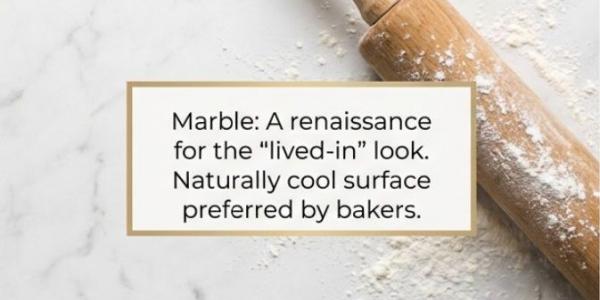
Marble
Experiencing a renaissance among those who appreciate a "lived-in" heritage look. While beautiful, marble is a softer, calcium-based stone that is prone to scratching from knives or heavy cookware
The Etching Factor
Marble is highly sensitive to acids; substances like lemon juice, vinegar, or wine can cause "etching" — dull spots where the acid has chemically reacted with the stone.
Maintenance Requirements
To prevent deep staining, marble must be professionally sealed. In a high-use 2026 kitchen, a resealing schedule of every 3 months is recommended to maintain the protective barrier against oils and pigments.
Matching Material to Lifestyle
Choosing a material is ultimately about how you use the space.
Household Profile | Recommended Material | Key Reason |
Busy Families | Quartz / Porcelain | Non-porous, resists spills and knocks |
Gourmet Cooks | Granite / Porcelain | Direct heat resistance for hot pans |
Keen Bakers | Marble / Quartzite | Naturally cool surface for working with dough |
Social Hosts | Quartzite / Bold Marble | Unique, dramatic statement surface for entertaining |
Outdoor Chefs | Porcelain (Dekton) | UV and weather resistance |
2026 UK Cost and Value Analysis
Typical ballpark averages for supply and installation of a 4–5 SQ 2026:
Material Type | Cost per m² (Installed) | Total Typical Cost (4–5m run) |
Laminate | £20–£70 | £200–£800 |
Solid Wood | £100–£200 | £720–£1,350 |
Engineered Quartz | £300–£550 | £1,800–£3,000 |
Natural Granite | £300–£750 | £2,100–£3,500 |
Natural Marble | £400–£650 | £2,400–£4,200 |
Porcelain | £450–£600 | £2,500–£6,000 |
Long‑Term Value
Quartz and porcelain offer the highest ROI as they require effectively £0 in maintenance costs. In contrast, marble can incur £400–£1,000 over a decade due to the necessity of quarterly resealing and professional repairs for etching or scratches.
Architectural Trends: Beyond the Surface
In 2026, the worktop material often extends to other areas for a cohesive look.
Full‑Height Splashbacks
Replacing tiles with a solid slab eliminates grout lines.
Ornate Edge Details
Profiles like Ogee, Dupont, and Curveto are trending to accentuate stone veining.
Waterfall Ends
Extending the worktop to the floor creates a bold, sculptural Element.
Integrated Tech
There is a rise in "invisible" features, such as induction hobs installed beneath porcelain surfaces (e.g., Invisacook) or wireless charging built into quartz slabs.
Conclusion: Making Your Decision
The “best” kitchen worktop material is a personal choice rooted in how you live. For most, engineered quartz remains the most balanced choice for price and practicality. For those seeking ultimate performance or outdoor capability, porcelain is the superior technological option. If your priority is a unique, one‑of‑a‑kind statement that ages gracefully, natural quartzite is the definitive luxury choice for 2026.
We recommend visiting a showroom to experience these textures first‑hand, as the tactile difference between a polished and honed finish can completely change the atmosphere of your home.
Choosing your Material
Best material for a busy family?
Engineered quartz or porcelain are top choices because they are non-porous, highly durable, and resist stains from daily spills.
Quartz vs. Natural Quartzite?
Natural quartzite offers unique beauty and superior heat resistance, while engineered quartz is more uniform and maintenance-free.
What is the "it" material of 2026?
Porcelain (sintered stone) is the standout for 2026, offering near-indestructibility and the ability to withstand direct heat up to 300°C.
Is granite still popular?
Yes, especially in leathered finishes which hide fingerprints and offer a tactile, organic feel that matches 2026 trends.
Best material for outdoor kitchens?
Porcelain is the only choice recommended for outdoors as it is UV-stable and will not fade or warp in the sun.
Should I choose a honed or polished finish?
Honed (matte) finishes are trending for 2026 as they reduce glare and hide minor wear better than high-gloss surfaces.
Essential Marble Care
Why seal marble every 3 months?
Marble is porous; frequent sealing is vital to block oils and pigments from penetrating and causing deep, permanent stains.
What is marble "etching"?
Etching is a dull spot caused by acidic liquids like lemon juice or vinegar reacting chemically with the stone's calcium.
How do I prevent marble scratches?
Always use cutting boards and felt pads; marble is relatively soft and can be scratched by knives or heavy cookware.
Can I fix etching myself?
Minor etching can sometimes be buffed out with specialised stone polishing powders, but deep marks require professional restoration.
How do I test my stone’s seal?
Drip water on the surface; if it hasn't beaded up after 15 minutes, your worktop needs immediate resealing.
What is the best daily cleaner?
Use only pH-neutral cleaners or mild soap and water; acidic or abrasive cleaners will strip the sealant and damage the stone.
2026 Design & Tech Trends
What is "Warm Minimalism"?
It is a shift toward earthy tones like taupe and sand, prioritising tactile, organic textures over sterile, glossy whites.
What is the 2026 Colour of the Year?
Pantone’s Cloud Dancer—a soft off-white—is the core neutral for 2026, providing a serene base for natural stone textures.
How do "Invisible Hobs" work?
Induction hobs (like Invisacook) are installed beneath porcelain surfaces, creating a seamless, hidden cooking area.
What are waterfall ends?
This is where the worktop material continues vertically down the side of an island to the floor for a bold, sculptural look.
Why is silica-free quartz important?
New "Advanced Fusion" processes remove crystalline silica, making the material safer for fabricators and often more sustainable.
What are full-height splashbacks?
Using a single slab of worktop material on the wall eliminates grout lines and creates a high-end, cohesive aesthetic.
Cost & Practicality
Typical cost for quartz in 2026?
Expect to pay between £1,800 and £3,000 for a standard 4–5m run, depending on the brand and edge complexity.
Which material has the best ROI?
Quartz and porcelain offer the highest long-term value because they require zero maintenance and repair costs over 10+ years.
How much does marble maintenance cost?
Over a decade, expect to spend £400–£1,000 on professional sealing and minor repairs for a marble worktop.
Are wood worktops still used?
Yes, but primarily as accents; they require biannual oiling and are prone to water damage compared to stone.
What are the top edge profiles?
Ornate profiles like Ogee and Dupont are making a comeback to add architectural detail to island units.
Does stone increase home value?
Premium natural stones like Taj Mahal quartzite act as luxury assets that significantly improve a home's marketability and appeal.